
This page contains Affiliate links and by purchasing through these Affiliate links, we can earn a commission on your purchases at no extra cost to you. We are members in Amazon’s Associates Program and are affiliates of several other websites. Thank you for supporting our website and work!
I am on my own faith journey of growing closer to God and growing deeper in my practice of the faith and understanding of the faith. I thought it might be helpful to share some ways that helped me on this journey. I am not a theologian or scriptural expert, but these handy tips and practices helped me to remember God “in the little ways” in my life and grow my relationship with our Lord Jesus Christ. Aside from the major and obvious act of frequently receiving the sacraments, one of the best ways to keep myself focused on God throughout my day is to live liturgically, work on growing my relationship with God through prayer and meditation, and consistently learn a little more about my faith each day. The list below are ways you can practice being Catholic in the month of January.


Mass & the Sacraments
Attending Mass each Sunday is an obligation as a Catholic. Be sure to attend Mass each week on either the vigil Mass on Saturday evening or the Sunday Mass. Since Jesus is present in the Eucharist, we are going to Mass to be with our Lord and receive Him in the Eucharist. We are remembering His sacrifice to redeem the world from sin and now it is our turn to sacrifice to go and worship our Lord at Mass. We bring Him all our prayers, works, joys, sufferings, and tithes and offer them to Him during the Mass.
Take time before Mass to put your heart and mind on Jesus and on your participation in the Holy Sacrifice of the Mass to God. Take time after Mass to be with Jesus, opening your heart and mind to anything He may be trying to share with you.
Receiving the Sacraments as often as possible is also a focus and part of our priorities as Catholics. If you can attend daily Mass, that would be optimal! People who work or live more rural may not be able to attend Mass daily, but we should be striving to get there even if it means getting up early. If you cannot make Mass each day, incorporating the daily readings from the Mass into your day would be a great substitute.
Frequently receiving the Sacrament of Confession not only lightens our mental and spiritual burdens, but it frequently keeps us in a State of Grace with God. It can help keep our minds and souls centred towards God and doing His will for us. If you are in a state of mortal sin, it is an even bigger sin to receive the Eucharist without being absolved of your mortal sins through the Sacrament of Confession. Any venial sins you commit can be “put on the altar” during the Offertory in the Mass and are absolved during the Mass.


Seasons in the Church
Just as the seasonal calendar changes and holidays come and go, so does the Church calendar. I like to use GCatholic’s website to help me with the calendar of the Church. You can select any country you want to find their liturgical calendar and it even has the 1962 missal calendar. It shows you the liturgical colour for the day, the season the Church is in, and any feast days that fall on that day.
The Church begins celebrating Christmas on Christmas Day and ends the Christmas season with the Feast of the Baptism of the Lord. So, we begin January in the Christmas season. That means we should be celebrating the birth of our Lord for an extended period of time by leaving our decorations up, listening to Christian Christmas music that puts our minds on praising our Lord and celebrating His birth, and we should try to invite others over to enjoy some Christmas treats! Celebrate Christmas for the entire season and perhaps even host a Christmas celebration after the “typical” Christmas season when friends and family are back around.
During January, we also move to another season called Ordinary Time, which begins after the Feast of the Baptism of the Lord. Ordinary Time does not have a celebration of its own nor is it a time of penance. It is the ordinary time in our liturgical calendar where we can focus on the life of Jesus, His teachings, our prayer life, and our own maturation of our faith. These are the times that it may require more focus and effort to observe the daily practices of a Catholic. The fable of the Tortoise and the Hare comes to mind for Ordinary Time where the moral, “Slow and steady wins the race,” is how we can observe this time in the calendar. We are not racing to the next season, but slowly walking with our Lord through this time to strengthen and deepen our relationship with Him and our understanding of what He created for us and is inviting to, eternal life with Him.
Coordinate with Liturgical Colours
You can observe the seasons in the Church by coordinating part of your outfit for the day with the colour of the season or with the Mass colours for the day. We are currently in the Christmas season and I am writing this within the Octave of Christmas so the colours would be white or red depending on the day. You can wear a white shirt or dress for Mass, your work outfit, or your everyday outfit.
When Ordinary Time begins, you could add green to your outfit each day such as wearing green earrings, keeping a green handkerchief in your suit pocket, wearing green socks, or even changing your pen colours to green (but keeping the ink black or blue).


Create a Prayer Table
Creating a prayer table can be such a fun and helpful way to keep God on your mind throughout the day. You can use a table, a mantle over a fireplace, a shelf on your bookshelf, the top of a piano, your nightstand, or even a hallway table to create a prayer table or prayer corner. Any ledge that you can decorate to help you bring the Church seasons into your home is very helpful. You can have prayer cards on the table, your Bible, spiritual books you are reading, a picture or statue that reminds you of Jesus, the Holy Family, an archangel, etc. You can decorate your prayer table with a cloth that matches the liturgical season and this can also be where you can use “art projects” to help the family observe the various seasons and feasts in the calendar.
For example, during Lent you can create a “crown of thorns” with play-doh/clay and toothpicks. You place the toothpicks into the crown all over and for every kind deed, sacrifice for another, prayer, etc., you can remove a thorn. Then, every time you see your prayer table, you can bring your focus back to God, your daily prayers, and your relationship with Him.

Observe Feast Days
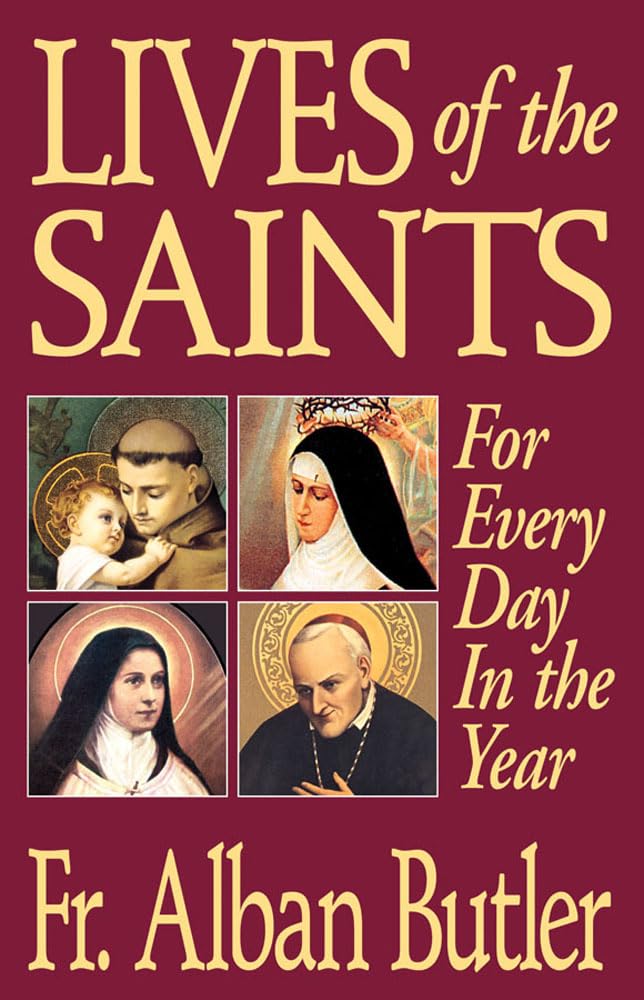
Observing feast days will not only allow you the opportunity to learn more about your faith by learning about the various feasts observed by the Church, but it can also introduce you to Saints you may not have known before. The Church observes feast days that are dedicated to Saints who have lived exemplary lives and are great examples of how to live a holy life for God. Read about the Saint on their feast day! The Ascension Press app does a fantastic job of listing the “Saint of the Day” and giving an expert about them. They also have videos for feast days, daily reading, and daily meditations on the app.
Observing a feast day can be attending Mass that day. In the Novus Ordo Mass, the Church selects portions of the Mass to customize to a specific saint on their feast day, including their name and specific traits that are known of that saint. Similarly, in the Extraordinary Form of the Mass, there are Masses that are said for a specific feast day and the parts of the Mass are customized to that feast or saint.
Observing feast days could also include hosting a gathering for others to join together in celebration for a feast. The Feast of Our Lord Jesus Christ, King of the Universe is on the last Sunday of the liturgical year and is like a New Year’s Eve in a way where we are ending out our liturgical calendar to ring in a new year the next Sunday with the beginning of Lent. You could host a gathering celebrating Jesus as King of the Universe, praying together as a group, and growing relationships with the people God brings into our lives.
Liturgical Calendars for January from GCatholic
Feast Days:
Canadian Calendar (2026)


These screenshots are from gcatholic.org and are so helpful because they tell you what liturgical season it is in the first column. The day of the month in second column. The day of the week in the third column. The class or type of feast day in the fourth column.
S=solemnity F=feast day M=obligatory memorial m=optional memorial
I=first class or solemnity; II=second class or feast day; III=third class or memorial
The fifth column shows the liturgical colour for the day and explains the day. So, if it is a feast day it will tell you whose feast day it is or if it is a regular day (feria) then it tells you when in the liturgical calendar it is. (Feria: 2nd Sunday after Epiphany or Monday after Epiphany). There may be another column for other feasts that fall on the same day.
There are many feast days within the calendar and you can read about each saint on their feast day or use the Ascension Press or Hallow app to learn more about these saints. Saints Alive is a podcast that does a fantastic job of creating audio dramatizations of the lives of the saints. You can listen for free on their website, on podcast apps, or on the Hallow app if you have it.
Not all feast days are dedicated to saints. Many feast days are important days in the life of Jesus or Mary. We can observe those feast days by contemplating the events of the feast day, reading the scripture verses about those feast days, completing crafts that represent that feast day, cooking foods that will remind of the events of the feast day, etc.


January 1
In Canada, January 1 is a Holy Day of Obligation so be sure to head to Mass Thursday, January 1! Most parishes will offer extra Masses to make the Mass available for those that work. Depending on the calendar you follow, the feast for that day is either the Feast of the Circumcision of our Lord or the solemnity of The Blessed Virgin Mary, the Mother of God. This feast day falls within the Octave of Christmas and is a first class feast day or solemnity.
You can receive a plenary indulgence on January 1 if you recite the Veni Creator Spiritus publicly (can be at Mass) to invoke the Holy Spirit for the new year, while fulfilling all other conditions of a plenary indulgence:
- Detachment to sin,
- Being in a State of Grace (receive the Sacrament of Confessions within 8 days of plenary indulgence)
- Receiving Holy Communion within 8 days of the plenary indulgence, and
- Praying for the Pope and his intentions.
Epiphany
Depending on which calendar you follow, Epiphany will either fall on the first Sunday after January 1 or on January 6. Epiphany is celebrated as the day it was revealed to the Gentiles that Jesus was the Saviour as recognized by the three wise men bringing gifts to baby Jesus and coming to worship Him.
If you have a nativity scene in your home, you can move the wise men closer and closer to the stable and on Epiphany, they can finally arrive!
Catholics also perform an annual house blessing on Epiphany using blessed chalk. This Epiphany house blessing from Catholic Answers will walk you through the steps. This tradition marks the magi’s arrival to the stable and asks Christ to bless our homes with the marking ” 20+C+M+B+26″ for 2026. The “C+M+B” represents “Christus Mansoniem Benedicat” which means “Christ bless this house”. It could also represent the names of the magi: Casper, Melchior, and Balthazar.
The Baptism of the Lord
This feast marks the end of the Christmas season and the beginning of our first season of Ordinary Time within the Church. The Baptism of the Lord will either be on the second Sunday after January 1 if following the Canadian modern calendar for the Church or January 13 if following the Roman Calendar 1962 Missal. The Feast of the Baptism of the Lord is when we remember Jesus’ baptism in the Jordan by John the Baptist. We can observe this feast by remembering our own baptism and what it means to be a child of God. We can also renew our own baptismal promises in our heart.


Daily Prayers
Include prayers outside of praying before and after meals. As Catholics, we are called to be in a state of constant prayer as 1 Thessalonians 5:17 says, “Pray without ceasing.” How do we do that?
Begin Your Day with a Morning Offering
I find that beginning my day with a Morning Offering prayer will help me to not only thank God for another day, but to offer my day to Him. Everything good and bad is being offered to Him and in those moments of joy or struggle, we can think of God and say thank-you or ask for help. We can also offer our struggles for the souls in purgatory.
Morning Prayers
Another great prayer time I enjoy is the structure of the Morning Prayers in the 1962 Roman Catholic Missal below. The format takes about 20 minutes and I also add a small meditation time at the end where I can just sit in God’s presence and talk to Him about what is on my mind.

Evening Prayer
Evening prayer is a great time to rest your mind and heart on God before bed. The Roman Catholic 1962 Missal has a great evening prayer format that leads you into an examination of conscience. I like to use an examination of conscience not just as a time to think of how I can improve, but since I am constantly asking for God to help build me in virtue and conquer my vices, I look to see the ways God is helping me succeed within my day as well and thank Him. Evening prayer is a great time to ask God and your guardian angel to keep guard of your soul during the night and to thank God for the day, whether it went the way you had hoped or not. I end with a small meditation where I am in conversation with the Lord, asking Him questions about the day and His plan for me, and all the things on my mind. I try to incorporate all the components of prayer (ACTS) into my prayers when I am “formally” praying: Adoration, Confession, Thanksgiving, Supplication.
The Rosary and Family Rosary
We try to end our days with a Family Rosary, but the Rosary can also be a great way to end the day, contemplating on the mysteries of Jesus’s life, His miracles, His passion, etc. The Family Rosary can also be a way for you and your family to earn plenary indulgences for souls in purgatory or for your own soul.
The Angelus
At midnight (if you’re awake), 6:00 am, noon, and 6:00 pm, you can recite the Angelus. These 4 anchors during the day can bring our minds back to Jesus and the little “yes” His mother Mary consistently gave to God her whole life.
Three Hail Mary’s for Purity
Each morning and night, you can add the devotion of the Three Hail Mary’s. This article from Catholic Gentlemen does a great job explaining the devotion and where it originated. We can ask our Blessed Mother Mary for her intercessions while also asking Jesus.


Monthly Devotion: The Holy Name of Jesus
In Catholic tradition, each month has a special devotion you can observe. Various parts of the world have different devotions for each month and I will use the one most commonly observed for my area. The month of January is devoted to the Holy Name of Jesus.
This month you can practice saying the Jesus prayer throughout the day as practice for “pray without ceasing”. The Jesus prayer is as follows: “Lord Jesus Christ, Son of God, have mercy on me, a sinner.” You can use it in meditation, rhythmically saying the prayer slowly while taking deep breaths, entering your heart on mind on Jesus, His divinity, and our need for His mercy as sinners.
Spiritual Reading
Daily Readings from Mass
A great practice is to read through the readings from Mass for the day, especially if you are unable to attend Mass that day. Even if you are able to attend Mass, you should still read the readings from Mass beforehand so you know what to expect during Mass and what the readings for the Mass are about, themes from those verses, and recognize any feasts for the day. Sometimes we can get distracted during Mass or cannot hear the readings very well so we will know the verses and meanings of the verses beforehand and if the priest is referencing the readings during the homily, we can follow his references.
Spiritual Books
We should always be looking to expand our knowledge of the Catholic faith, the Church Fathers, the Bible, etc., and a great way to do this is to be reading a spiritual book or listening to a spiritual book. If you are a big reader, then select a book to read either on your own or in a study group. This month is dedicated to the Holy Name of Jesus and some books that would be great to read this month would be:
- The Life of Jesus & Biblical Revelations
- Offer It Up: Discovering the Power and Purpose of Redemptive Suffering
- God With Us: Encountering Jesus in the Gospel of Matthew
You can also spend the year learning more about one certain topic with Tan Books’ A Year with… series. They have books that have daily meditations, a book to help with deeper prayer, and introduces you to a certain Catholic topic.
Audio Books, Podcasts & Videos
If you are not a big reader then you can use apps like Audible to read the book for you. However, some great alternatives would be to listen to programs like Bible in a Year or Catechism in a Year with Father Mike Schmitz to gain more knowledge and see the vast connections within the Bible and understand the Catechism and our faith with very handy explanations after each reading session.
Another great alternative is to follow the Catholic Classics podcast on Spotify, Apple Podcasts, or Amazon Music. Each year the podcast separates a classical Catholic book into manageable sections to read over weeks with commentary after each section of readings. The reading sections are short enough to listen to while walking on the treadmill each morning or when driving to or from work, and are a great way to not only “read” the classical literature of our faith, but to also have them explained, which I find very helpful! Plus, the priests really are a joy to listen to!
Something I like to incorporate into my day is YouTube videos from channels like Ascension Presents, The St. Paul Center, Matt Fradd, The Catholic Talk Show, Lila Rose Show, Bishop Robert Barron, and more. I can learn about my faith while doing the dishes, cooking, or doing laundry.

Family Resources
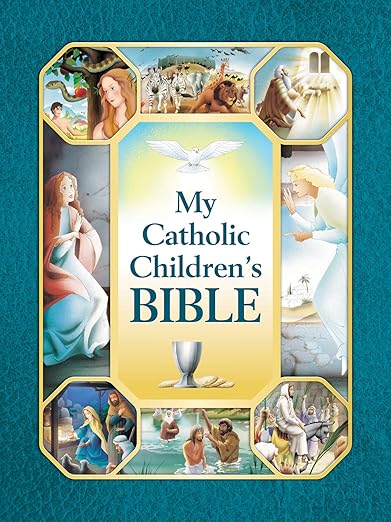
How can you share the faith with your family? Well, listening to the Saints Alive podcast as a family will help them learn about people who lived holy lives and who they can take example from.
We do a Bible Study called God’s Plan in Scripture to help the children understand the Bible on a deeper level with the opportunity to complete activities to help them understand what they are learning in the Bible.
I like to tie in the components of the faith with crafts and other art forms for the family. The following websites have great crafts, colouring pages, or resources for the family:
The God’s Plan in Scripture package also comes with a play book where you can have the children act out a play from the book. You can practice this to present the play on a special day or celebration or you can use guided acting to help the kids use improvisation to act out the play.
These are just some of the ways that can help you grow closer to God this month and I hope something resonates with you to help you grow in your faith!

Leave a Reply